Night Train: The Calligraphy Typeface for Nocturnal Luxury
There’s a particular kind of elegance that emerges after dark—think of the polished gleam of a vintage locomotive under station lamps, or the crisp lines of a tuxedo in a dimly lit lounge. This is the precise aesthetic that Night Train, a premium calligraphy typeface, was designed to capture. It isn’t just another script font; it’s a tool for crafting visual narratives steeped in a "shadowy-and-streamlined" soul. For designers and brand builders, it offers a unique bridge between the timeless grace of formal script and the sharp, modern demands of luxury branding.
The Anatomy of Nocturnal Elegance
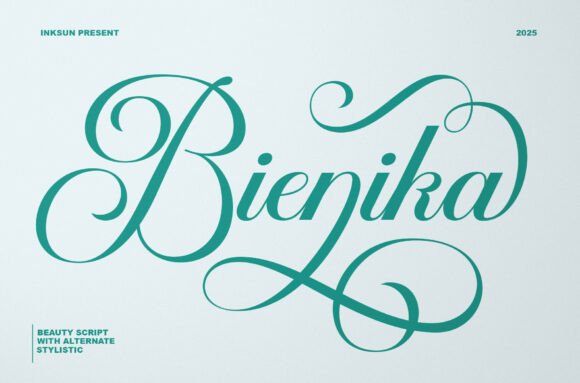
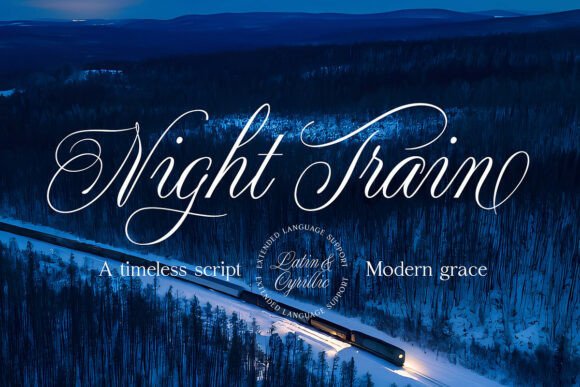
At its core, Night Train is defined by its fluid, hand-drawn letterforms. The designer’s hand is evident in every stroke, but it’s a disciplined, intentional hand. The character set features rhythmic, sweeping loops that provide movement and flow, ensuring text doesn’t feel static. Critically, it pairs this motion with ultra-fine hairlines. These delicate strokes are what give the typeface its sophisticated, airy quality, preventing the heaviness often associated with traditional calligraphy scripts.
This balance is key. The font’s structural weight is intentionally delicate. It feels cinematic and atmospheric, making it a superb display font for headlines, logos, and pull quotes where you want to make an emotional impact without overwhelming the viewer. Its personality walks a fine line: it’s formal enough for a wedding invitation yet has a modern, almost editorial edge that feels at home in high-end travel branding or a boutique hotel’s identity system.
Strategic Applications: Where Night Train Truly Shines
Understanding a typeface’s strengths is about seeing it in context. Night Train isn’t a workhorse body font; it’s a specialist. Its value lies in specific, high-impact applications where setting a mood is paramount.
For brand identity and logo design, this typeface is a natural fit for businesses that trade in exclusivity, experience, and refined taste. Imagine it as the logotype for an independent boutique hotel, a private members’ club, or a premium whiskey distillery. It instantly communicates a sense of established quality and nocturnal allure. In packaging design, particularly for luxury travel goods, artisan spirits, or high-end cosmetics, Night Train on a label or box sleeve adds a tactile, human element that sterile, geometric fonts often miss.
In the realm of publishing and editorial design, it excels as a creative font for chapter titles in a noir novel, the masthead of a sophisticated lifestyle magazine, or feature article headers in a travel journal. Its cinematic quality helps set the scene before a single word of the story is read. For digital creators, its impact is just as strong. A social media header for a luxury travel blogger or a "graceful-and-nocturnal" themed Instagram story set in Night Train commands attention in a crowded feed. It’s also a premier choice for premium wedding stationery, from save-the-dates to day-of signage, where it evokes a timeless, romantic formality.
Making It Work: Practical Guidance for Designers and Creators
Choosing the right premium font is only half the battle; using it effectively is the other. Here’s how to integrate Night Train into your projects with confidence.
Evaluating Project Fit
Start by asking: what is the core emotion of this project? If the answer involves words like luxurious, intimate, vintage, sophisticated, mysterious, or elegant, Night Train is a strong candidate. It’s less suited for projects requiring a playful, techy, or ultra-casual tone. Always view a font sample in the context of your project’s color palette and imagery. Does the delicate weight hold up? Does the style complement your other design assets?
Mastering Font Pairing
This is where modern typography principles are essential. A complex script like Night Train demands a simple, stable counterpart. For body text, pair it with a highly legible serif font for a classic, literary feel, or a clean sans serif font for a more contemporary, minimalist contrast. The goal is to create a clear visual hierarchy. Use Night Train for your primary headline or accent text, and let your chosen secondary typeface handle the readable paragraphs, captions, and smaller UI elements. Never set a block of body copy in a script or handwritten font—it sacrifices readability for style.
Technical and Licensing Considerations
Before you commit, test the font rigorously. Check the legibility of key letters in your wordmark or headline at the intended size. Review the included styles—does the font family offer multiple weights or alternates that give you flexibility? Crucially, ensure you understand the commercial font licensing. For a brand identity or a product sold commercially, you need a license that covers that use. Reputable foundries are clear about this. Finally, mind the spacing. Fonts with such fine hairlines often benefit from a touch of increased letter-spacing (tracking) to enhance readability, especially in all-caps settings.
Ultimately, Night Train is more than a design asset; it’s a conduit for a specific kind of storytelling. When chosen for the right project and paired thoughtfully, it doesn’t just display words—it cultivates an atmosphere, builds instant brand perception, and engages an audience on an aesthetic level that speaks of quality and careful curation. It’s the typeface equivalent of a first-class compartment on a midnight express: distinctly purposeful, unmistakably elegant, and built for a journey you won’t soon forget.