Tropical Sunshine: A Retro Display Font for Bold Designs
There’s a specific feeling we chase in design—that immediate sense of warmth, nostalgia, and carefree energy. Capturing that vibe isn’t always about complex illustrations or intricate layouts; sometimes, the right typography does the heavy lifting. Tropical Sunshine is a prime example of a display font built to evoke exactly that feeling. It’s not just a collection of letters; it’s a visual shortcut to summer days, beach vibes, and a relaxed, retro aesthetic. For designers and creators, understanding a typeface like this is about recognizing its power to set an instant mood.
Visual Character and Design DNA
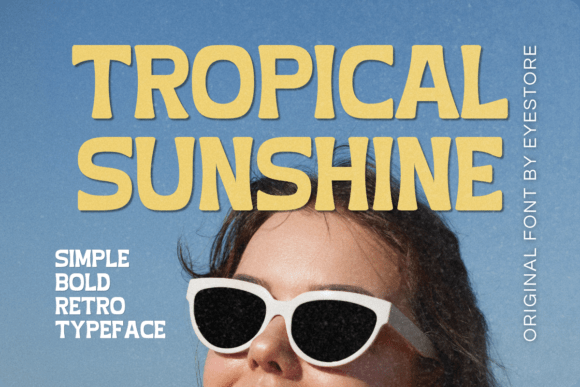
At its core, Tropical Sunshine is a bold retro display font. Its personality comes from a blend of simplicity and confidence. The letterforms are built on clean, geometric shapes, but with a softness and roundness that prevents them from feeling cold or rigid. Think of the bold, friendly typography you’d see on a vintage postcard from a 1970s beach resort or on the label of a nostalgic soda bottle. It’s that playful, eye-catching quality that defines its appeal.
The font’s charm lies in its balanced proportions and slightly condensed forms, which give it a strong presence without overwhelming a layout. It avoids the stark minimalism of a modern sans serif font and the formality of a classic serif font. Instead, it occupies a sweet spot as a creative font with a distinct, cheerful voice. The overall effect is one of approachability and fun, making it a versatile design asset for projects that need to feel welcoming and energetic.
Where This Typeface Truly Shines
The true test of any premium font is its practical application. Tropical Sunshine is engineered for projects where you need to make a visual statement quickly and positively. Its strengths are most apparent in contexts that benefit from a touch of personality and nostalgia.
In logo design, it can anchor a brand identity for a beachside café, a surf shop, a summer festival, or a line of artisanal tropical products. The font’s inherent style communicates the brand’s essence before a single word of copy is read. For packaging design, it’s a natural fit for products like sunscreen, tropical juices, snacks, or cosmetics with a summer theme. It immediately places the product in a desirable context on the shelf.
For digital and print marketing, Tropical Sunshine excels in social media graphics, poster headers, and event flyers. Its boldness ensures legibility in busy newsfeeds or from a distance. In editorial design, it works wonderfully for pull quotes, chapter titles, or section headers in travel magazines, lifestyle blogs, or recipe books focused on summer cuisine. For crafters and small business owners, its compatibility with platforms like Cricut makes it a go-to for creating standout t-shirt designs, tote bags, mugs, and other merchandise.
Strategic Application: Beyond the Aesthetic
Choosing a font like Tropical Sunshine is a strategic decision that impacts more than just looks. It directly influences key aspects of visual communication and brand identity.
Visual Hierarchy & Readability: As a display typeface, its primary role is to draw the eye. Use it for headlines, titles, and short bursts of text. Pairing it with a clean, neutral sans serif font for body copy creates a clear hierarchy, ensuring your message is both engaging and easy to digest. Never use it for long paragraphs; its bold personality is best served in small, impactful doses.
Brand Perception & Recognition: Consistency is key to building a recognizable brand. By using Tropical Sunshine consistently across your marketing materials, from your website’s hero section to your Instagram stories, you build a cohesive visual language. This consistency fosters professionalism and makes your brand more memorable. The font’s specific retro-sunshine personality helps carve out a unique niche in a crowded market.
Audience Engagement: Typography carries emotional weight. The warm, nostalgic, and friendly vibe of Tropical Sunshine can make your audience feel more connected to your message. It suggests approachability and fun, which can be a powerful tool for encouraging interaction, whether it’s clicking a link, sharing a post, or making a purchase.
A Practical Guide to Using Tropical Sunshine
Integrating a new creative font into your workflow requires a thoughtful approach. Here’s how to get the most out of Tropical Sunshine.
Evaluate the Project Fit: First, consider the tone of your project. Is it serious and corporate, or playful and consumer-focused? Tropical Sunshine is a specialist. It’s perfect for brands and projects aligned with leisure, food, beauty, travel, and lifestyle. It would be out of place in a financial report or a legal document. Always let the project’s goals guide your font choice.
Master Font Pairing: The most effective designs use a combination of fonts. For a balanced layout, pair Tropical Sunshine with a simple, highly legible typeface. A geometric sans serif font like Montserrat or Lato can provide a clean counterpoint. For a softer, more organic feel, consider a simple script font or handwritten font for accent text, but use these sparingly to avoid visual clutter.
Review Included Styles and Licensing: Before purchasing or downloading, check what’s included. Does the premium font come with alternate characters, multilingual support, or different weights? These extras can add valuable versatility. Crucially, understand the license. If you’re using it for commercial font projects—like selling merchandise or client work—ensure the license covers that use. This is a non-negotiable step for professional designers and entrepreneurs.
Test for Readability: Always test your chosen font in context. View it on different screen sizes for web design projects. Print a sample to see how it reproduces. Check the legibility of tricky letter combinations and numbers. A font that looks great in a headline at 72pt might lose its charm at 24pt on a mobile screen. This due diligence separates good design from great design.
Ultimately, Tropical Sunshine is more than just a typeface; it’s a tool for storytelling. It provides a direct line to a specific, desirable aesthetic that resonates with a wide audience. By understanding its visual character and applying it strategically, you can leverage this display font