Native Natural: A Groovy Retro Script for Modern Designs
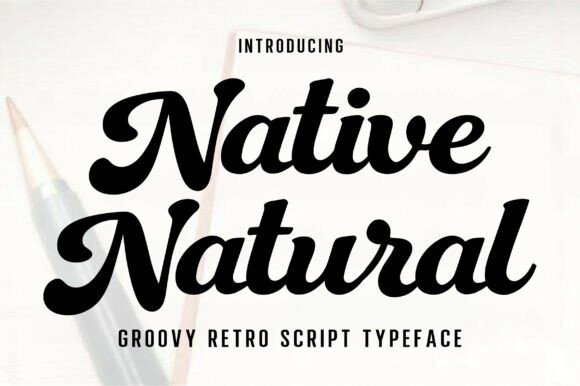
When you’re building a brand or crafting a design, the font you choose does more than just display words. It sets a tone, conveys a personality, and tells a story before a single sentence is read. If your work calls for a blend of vintage charm and contemporary clarity, a typeface like Native Natural might be the missing piece. This isn’t just another script font; it’s a carefully crafted premium font that merges the bold, flowing curves of 1970s retro style with the clean readability needed for today’s digital and print landscapes. Its thick strokes and soft, rounded shapes create an immediate sense of warmth and friendliness, making it a versatile design asset for a surprising range of projects.
The Personality Behind the Typeface
Native Natural’s visual appeal comes from its confident, hand-lettered aesthetic. The letterforms have a rhythmic, flowing quality that feels both spontaneous and intentional. Unlike some script fonts that can feel overly formal or fussy, Native Natural maintains a relaxed, approachable vibe. The balanced spacing ensures that words remain legible, even at smaller sizes, which is a common challenge with decorative typefaces. This balance is key to its effectiveness as a display font. It commands attention in headlines and logos without sacrificing the clarity needed for longer text in packaging or editorial design. The overall effect is a typeface that feels authentic and crafted, adding a stylish and professional touch to any layout.
Where Native Natural Truly Shines
Understanding a font’s strengths helps you deploy it effectively. Native Natural excels in projects where personality and visual impact are paramount.
- Logo Design & Brand Identity: For businesses aiming for a friendly, approachable, or artisanal brand, this creative font is a strong contender. It works beautifully for logos, wordmarks, and brand collateral, helping to build a brand identity that feels both nostalgic and fresh. Think boutique coffee shops, handmade cosmetics, indie record labels, or lifestyle blogs.
- Packaging Design: On product labels, boxes, and tags, Native Natural’s bold curves stand out on the shelf. It’s particularly effective for food and beverage products, craft goods, or any packaging that benefits from a handwritten font style that suggests care and authenticity.
- Posters & Social Media Graphics: The font’s strong visual hierarchy makes it ideal for event posters, quotes, and social media posts where you need to grab attention quickly. Its retro vibe pairs well with modern layouts, creating designs that feel both trendy and timeless.
- T-Shirt & Merchandise Design: The flowing letterforms translate exceptionally well to apparel. They have the character needed to stand alone as a central design element on a t-shirt or tote bag.
- Web Design & Digital Content: When used judiciously—for headers, pull quotes, or featured titles—Native Natural can inject personality into a website or email campaign, helping to improve audience engagement through distinctive visual language.
Making It Work: Practical Guidance for Your Projects
Choosing a font is only the first step. Using it effectively requires some strategic thinking. Here’s how to integrate Native Natural into your workflow.
Evaluating Project Fit and Readability
Before committing, consider your project’s primary goal. Is it to convey luxury, whimsy, professionalism, or nostalgia? Native Natural leans toward warmth and creativity, making it less suited for formal corporate reports but perfect for brands targeting a relaxed, creative audience. Always test the font at the sizes it will appear. Its bold curves ensure it remains readable at medium to large sizes, but for body text, pairing it with a clean serif font or sans serif font is essential. This creates a clear visual hierarchy, with Native Natural handling the headlines and a simpler typeface managing the paragraphs.
Mastering Font Pairing and Hierarchy
A great font pairing can elevate your entire design. For a balanced look, pair Native Natural with a neutral, geometric sans serif like Montserrat or Open Sans. The contrast between the organic script and the structured sans serif creates dynamic tension and improves readability. For a more vintage-inspired feel, you could pair it with a classic serif like Playfair Display. The key is to let Native Natural be the star in headlines while the supporting typeface provides clear, comfortable reading for longer text. This approach strengthens your design’s professionalism and ensures your message is communicated effectively.
Leveraging Included Styles and Licensing
A quality commercial font often comes with multiple styles. Check if Native Natural includes alternates, ligatures, or stylistic sets. These extras allow you to customize letterforms, giving your designs a unique, handcrafted feel and preventing the font from looking generic. Equally important is understanding the font licensing. For any commercial project—from a client’s logo to merchandise you sell—you must ensure you have the correct license. This protects you legally and supports the type designers who create these valuable modern typography tools.
A Final Word on Application
Think of Native Natural as a versatile tool in your design assets kit. It’s not a one-size-fits-all solution, but for the right project, it can be transformative. Try it on a mock-up for your next blog header, a product label, or a social media campaign. Observe how its smooth, natural handwritten style changes the feel of the composition. Does it make the brand feel more accessible? Does the retro element add the right kind of energy? The best way to understand a typeface is to use it. Native Natural offers a unique blend of nostalgia and modernity that, when applied thoughtfully, can make your designs stand out with genuine character and strong visual impact.