Ginzha: A Futuristic Sans Serif for Modern Design
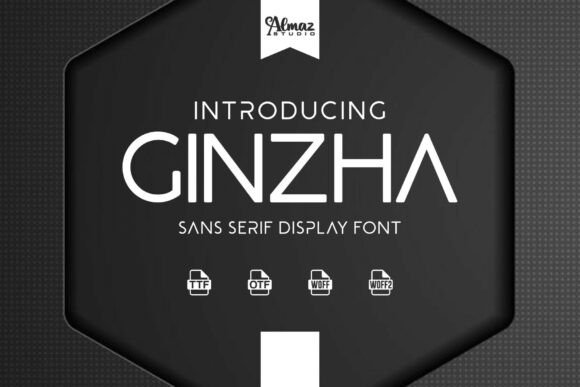
When you first see Ginzha, it feels familiar yet entirely new. It takes the clean, readable foundation of a sans serif font and injects it with a sharp, geometric energy. Think of it as the typeface that walked out of a sleek tech headquarters or a high-end architectural studio. It’s not just another modern typography choice; it’s a deliberate statement about precision and forward-thinking design. The character set is built on strong, angular lines and minimalist forms, but the real signature is in the details—like that distinctive, futuristic cut in the capital "A." This small touch transforms the entire font from merely clean to unmistakably contemporary.
Where Does This Display Font Shine?
Ginzha is a display font at its core, meaning it’s crafted for impact at larger sizes. You wouldn’t set a novel in it, but you’d absolutely use it to make a headline impossible to ignore. Its personality is a blend of professionalism and innovative edge. It communicates confidence without shouting, making it a powerful tool for brand identity projects where you need to convey stability and innovation simultaneously. The overall appeal is polished, technical, and uncluttered. It avoids the coldness of some purely geometric fonts by maintaining a subtle warmth in its curves, making it versatile for both corporate and creative applications.
So, where does Ginzha fit best in your projects? The applications are surprisingly broad, especially for designers and entrepreneurs looking for a premium font that delivers real value.
- Tech & Startup Branding: This is Ginzha’s home turf. It’s perfect for logo design, app interfaces, and investor pitch decks. It instantly signals that a company is modern, agile, and built for the digital landscape.
- Gaming & Entertainment: The sharp angles and tech-forward look are ideal for game titles, UI elements, and sci-fi movie posters. It holds its own on dynamic backgrounds and against vibrant colors.
- Editorial & Publishing: Use it for magazine covers, chapter headings in non-fiction books, or blog post titles. It creates a strong visual hierarchy, guiding the reader’s eye exactly where you want it.
- Architectural & Product Design: For portfolios, presentation slides, or packaging for high-end tech products, Ginzha complements minimalist layouts and emphasizes structure.
- Social Media & Marketing: Stand out in a crowded feed. It works beautifully for Instagram story titles, YouTube thumbnails, and LinkedIn banners where clarity and professionalism are key.
The Practical Side: Pairing, Readability, and Licensing
Choosing a creative font is just the first step. Knowing how to use it effectively is what separates good design from great design. Let’s talk about the practical considerations for working with Ginzha.
Building a Font Pairing
A strong font pairing creates balance. Ginzha’s geometric nature means it pairs exceptionally well with fonts that offer contrast. Try combining it with a classic serif font for body text in editorial layouts—this mix of old and new creates visual interest and excellent readability. For a fully modern stack, pair it with a clean, neutral sans serif for longer paragraphs. Avoid pairing it with other highly stylized display fonts or overly ornate script fonts, as they will compete for attention. The goal is harmony, not a fight.
Evaluating Readability and Hierarchy
As a display font, Ginzha’s strength is in headings and logos. Its clear, open letterforms ensure readability at large sizes, even on screens. When setting headlines, consider using its bolder weights for maximum impact. For subheadings, a lighter weight or regular style maintains the aesthetic while creating a clear step down in the visual hierarchy. Always test your chosen weight and size in context—what looks good in a design tool might need adjustment on a live website or in print.
Understanding the Package
When you invest in a commercial font like Ginzha, you’re getting more than just the basic letters. A good font package will include multiple weights (e.g., Light, Regular, Medium, Bold), and sometimes italics. Review the character map carefully. Does it include the punctuation, numerals, and symbols your project needs? Are there alternate stylistic sets or ligatures? These extras can add a unique flair to your design assets. Also, confirm the licensing covers your intended use—whether it’s for a single client, a product for sale, or a massive advertising campaign. Proper licensing protects you and respects the creator’s work.
Making the Decision for Your Project
Is Ginzha the right modern typography choice for you? Ask yourself a few questions. Does your brand or project need to convey innovation, precision, and a sleek, contemporary feel? Are you working in tech, gaming, architecture, or a forward-thinking lifestyle brand? If so, it’s a strong contender.
Next, consider your audience. For a demographic that values cutting-edge design and clarity, Ginzha will resonate. For a project aimed at a traditional, heritage-focused audience, a more classic serif might be more appropriate. Finally, test it. Mock up your logo, your headline, your key slide. Does it feel right? Does it support the message you’re trying to send?
In the end, Ginzha is more than just a sans serif font. It’s a design tool for builders, innovators, and storytellers who want their visual language to be as advanced as their ideas. It offers a polished, professional foundation that’s ready for the demands of today’s digital and print landscapes, making it a valuable addition to any designer’s toolkit.