Daisy Flower Doodle Font: A Whimsical Garden for Your Designs
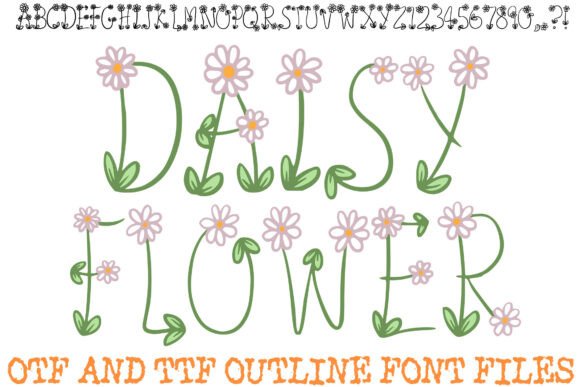
In the crowded landscape of modern typography, finding a typeface with genuine personality can feel like a rare discovery. The Daisy Flower font is one such find—a premium display font that doesn't just spell words, but cultivates a mood. This hand-drawn alphabet is built from delicate, stem-like strokes, each character blooming with soft pink and white daisy petals and lush green leaves. It’s a typeface that feels alive, offering a fresh, garden-fresh aesthetic that is both elegant and playfully feminine.
At its core, Daisy Flower is a creative font designed to be seen. Its visual personality is unmistakably whimsical and organic. Imagine letters that don't just stand but grow, their forms curving like tender vines. The intricate floral details are meticulously crafted, ensuring every letter and number is adorned with botanical accents that create a cohesive, nature-inspired look. This isn't a simple script font with a few leaves tacked on; the floral elements are integral to the letterform itself, providing a unique hand-lettered appearance that feels authentic and charming. The thin, curving stems of the characters mimic natural plant growth, giving your text a dynamic, living quality. The color palette of soft pinks, crisp whites, and verdant greens is inherently cheerful, making it a perfect ambassador for spring-themed projects, cottagecore branding, and any design that needs a touch of gentle optimism.
Where This Hand-Drawn Typeface Truly Blossoms
Understanding where a display font like Daisy Flower excels is key to using it effectively. Its strength lies in applications where personality and visual impact are more important than dense readability. Think of it as the headline act, not the supporting text.
For Branding and Identity: This font is a fantastic asset for specific brand identities. A boutique florist, a wedding stationery studio, a children's clothing line, or an organic skincare brand could use Daisy Flower in their logo design or on primary packaging to instantly communicate a soft, artisanal, and feminine ethos. It sets a clear brand perception from the first glance, signaling creativity and a connection to nature.
In Marketing and Social Media: In the fast-scrolling world of social media, a stop-scrolling graphic is gold. Daisy Flower excels here, making social media graphics for Instagram Stories, Pinterest pins, or promotional banners feel personal and engaging. It’s also a standout choice for email newsletter headers, event invitations for a garden party or bridal shower, and cheerful sale announcements that feel warm rather than aggressive.
For Publishing and Editorial Design: While not for body text, this typeface shines in editorial design. Consider it for chapter titles in a gardening book, pull quotes in a lifestyle magazine, or the cover of a children's storybook. It brings a tactile, hand-crafted quality to the page that enhances the reading experience and establishes a distinct visual hierarchy.
Across Personal and Commercial Projects: The utility extends far beyond professional work. Crafters and hobbyists will find it invaluable for creating personalized birthday cards, nursery wall art prints, custom scrapbooking elements, and DIY gift tags. Its whimsical nature makes any personal project feel more special and thoughtfully designed.
Making Your Typography Work Harder for You
Choosing the right font is a strategic decision that influences how your message is received. A typeface like Daisy Flower does more than decorate; it shapes audience engagement and brand recognition. Its playful curves and organic forms can make a brand feel more approachable and human, fostering an emotional connection that a standard sans serif font might not. However, this comes with important considerations for readability and professional application.
The primary rule with any creative font of this nature is context is everything. Its intricate details, while beautiful, can become visual noise if used for long paragraphs or at very small sizes. Reserve it for headlines, subheadings, logos, or short call-to-action phrases where its personality can be appreciated without hindering comprehension. Always test your designs at the intended viewing size—what looks charming on a desktop monitor might become illegible as a thumbnail or on a mobile screen.
A critical practice is evaluating font pairing. Daisy Flower pairs beautifully with clean, simple companions that provide visual breathing room. A classic serif font like Garamond or a modern, geometric sans serif font like Montserrat can create a stunning and balanced typographic hierarchy. The simplicity of the supporting typeface allows the floral details of Daisy Flower to stand out as a deliberate design choice, rather than competing for attention. This contrast is a cornerstone of effective modern typography.
Before integrating it into a major project, review the full character set. A quality premium font often includes alternates, ligatures, and extended language support. Check for the consistency of the floral details across all letters and numbers you plan to use. Furthermore, for any commercial application—from client work to selling products featuring the font—verifying the licensing terms is non-negotiable. Ensure the license covers your intended use to avoid legal issues down the line.
Ultimately, the Daisy Flower font is a powerful design asset in the right context. It offers a solution for designers and creators seeking to inject warmth, whimsy, and a distinct botanical personality into their work. By applying it thoughtfully—respecting its role as a headline display font and pairing it wisely—you can leverage its unique charm to create memorable designs that resonate deeply with an audience looking for beauty and authenticity. It’s a reminder that great design often lies in the details, and sometimes, those details come in the form of a blooming daisy.