Loxia: A Display Font for Bold, Artistic Headlines
When a project calls for something more than standard text—when the goal is to make a statement, capture attention, and inject a dose of artistic flair—you need a typeface with a strong point of view. Loxia is precisely that kind of font. It’s not a workhorse for body copy; it’s a specialist, a decorative display font engineered to be the visual centerpiece of your design. With its unique artistic elements and confident personality, Loxia offers a way to break from the mundane and create something truly memorable.
Visual Character and Where It Shines
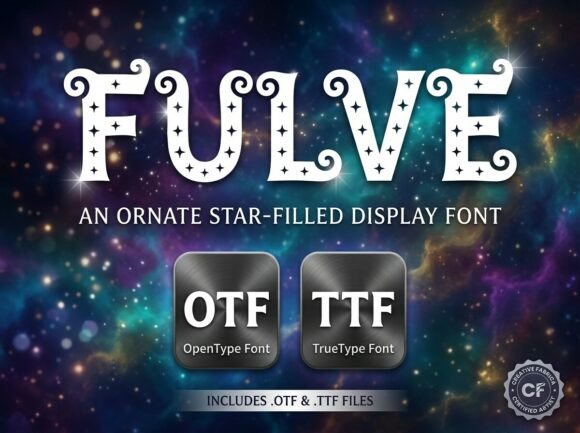
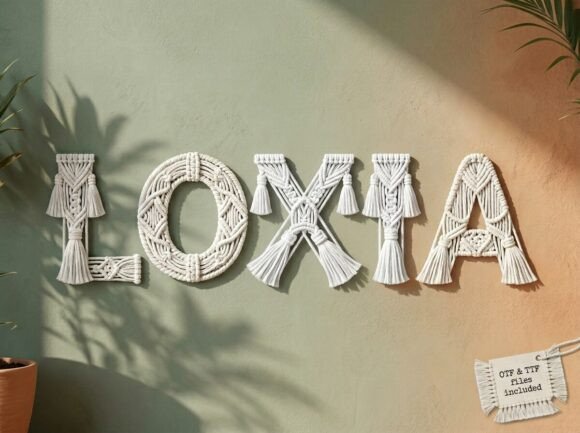
Loxia presents itself as a premium font with a distinct serif font foundation, but it’s far from traditional. Its letterforms are infused with creative details—perhaps subtle swashes, unusual curves, or a textured feel—that give it a modern, artistic edge. This isn’t a font for quiet moments. Its strong visual personality makes it ideal for any context where the headline or logo needs to carry the entire emotional weight of the design. Think of it as the confident anchor in your visual hierarchy.
This creative font finds its sweet spot in projects where impact is paramount. For logo design, Loxia can become the core of a brand’s identity, especially for businesses in creative industries, boutique retail, artisanal products, or lifestyle services that want to convey sophistication with a twist. In packaging design, it commands shelf presence, making a product look curated and intentional. It’s equally at home in editorial design for magazine covers, feature titles, or chapter headings that need to draw a reader in. For social media graphics, a single word set in Loxia can stop the scroll, providing an instant aesthetic that feels both polished and expressive.
Practical Guidance for Using Loxia Effectively
Understanding a font’s strengths is the first step. The next is knowing how to wield it. Loxia is an all-caps display typeface, a critical detail that shapes its entire use case. It’s designed for high-impact headlines, logos, and decorative initials. This means it’s not intended for setting paragraphs, body text, or any situation where extended reading is required. Attempting to use it for long sentences would compromise readability. Its power lies in short, powerful bursts.
When evaluating if Loxia is the right fit, consider the project’s core message. Does it call for elegance with an artistic voice? Does it need to feel modern and distinctive? If you’re building a brand identity for a photographer, a designer, or a high-end café, Loxia could be the perfect primary display face. To ensure cohesion, you’ll need to test font pairings. Loxia pairs beautifully with clean, neutral sans serif fonts for subheadings and body copy. A simple geometric sans or a humanist sans can provide a calm, readable counterpoint to Loxia’s ornate character, allowing the display font to shine without overwhelming the layout.
The files you receive—OTF and TTF—cover professional and universal needs. The OTF file is your go-to for advanced design software like Adobe Creative Suite, offering potential access to special characters or ligatures if included. The TTF ensures your designs remain consistent across all devices and platforms, which is crucial for web design assets or when sharing files with clients. Remember, this is a commercial font, so its license covers use in commercial projects, which is a key consideration for entrepreneurs and businesses.
Ultimately, Loxia is a tool for transformation. It’s for the designer who wants to elevate a client’s brand, the marketer crafting a campaign that needs visual punch, or the small business owner creating their own distinctive materials. By using it judiciously—where its decorative display nature is an asset, not a limitation—you can leverage its modern typography to build stronger visual stories, create more engaging design assets, and establish a more recognizable presence in a crowded visual landscape. It’s a typeface that doesn’t just set words; it frames them in art.