Shinobi: Bold Japanese Display Typography
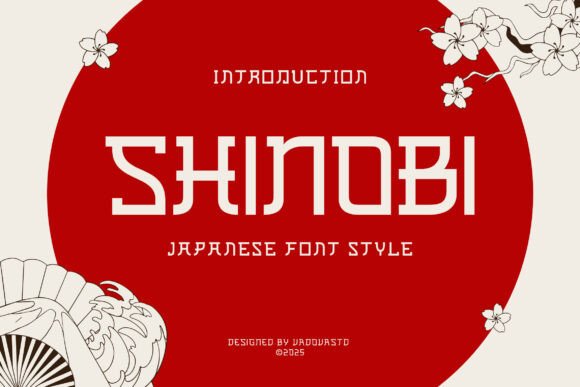
In the crowded landscape of modern typography, finding a typeface that carries genuine cultural weight without feeling cliché can be a challenge. Shinobi steps into this space as a Japanese-inspired display font that bridges the gap between rigid geometric structure and the fluid energy of traditional ink brush strokes. It is not just another "Asian-style" font; it is a carefully crafted tool designed to evoke a specific, stylized aesthetic rooted in visual language.
For designers, marketers, and business owners, the choice of typography dictates the audience's first impression. When you need to convey strength, tradition, or a bold artistic statement, a standard sans-serif font often falls flat. Shinobi offers a distinct personality. It commands attention immediately, making it an ideal candidate for headlines, logos, and branding elements where you need to stand out. Whether you are working on a digital campaign or physical merchandise, this font brings a level of intensity that generic typefaces simply cannot match.
Visual Characteristics and Design DNA
Understanding the anatomy of Shinobi is key to using it effectively. The typeface leans heavily on display typography principles, meaning it is engineered for impact rather than long-form reading. Its character shapes combine the precision of geometric construction with the irregular, organic edges of calligraphy. This duality allows it to feel both modern and historical simultaneously.
The strokes are bold and unapologetic. You will notice sharp angles paired with slight curves that mimic the pressure of a brush tip. This creates a dynamic rhythm in the text, preventing it from looking static or flat. Unlike a heavy sans-serif font that relies purely on weight, Shinobi uses stylistic flair to fill space. It works exceptionally well in contexts where the typography itself acts as the primary graphic element. If you are designing a poster where the text needs to carry the visual hierarchy, this font does the heavy lifting without needing excessive supporting imagery.
Strategic Applications for Branding
The versatility of Shinobi shines in branding and packaging design. It is particularly potent for businesses that want to highlight Asian cuisine, martial arts, or cultural heritage. Imagine a sushi restaurant rebranding; swapping out a generic script font for Shinobi instantly changes the perception from "casual takeout" to "authentic dining experience." It signals to the customer that the brand values its roots and presentation.
Beyond the food industry, this font has a strong foothold in the entertainment and apparel sectors. It is a natural fit for ninja-themed visuals, retro samurai artwork, and gaming interfaces. The bold nature of the letterforms ensures readability even at smaller sizes in thumbnails or social media graphics, provided the background is clean. For streetwear brands, Shinobi offers a way to create logos that feel edgy and culturally aware, tapping into the aesthetic of 80s and 90s pop culture references to Japan.
- Restaurant Branding: Menus, signage, and takeout packaging.
- Event Promotion: Martial arts tournaments, cultural festivals, and anime conventions.
- Product Packaging: Specialty teas, sake, or artisanal crafts.
- Digital Content: YouTube thumbnails, video game title screens, and podcast covers.
Mastering Visual Hierarchy with Display Fonts
One of the most practical aspects of using a font like Shinobi is its ability to establish a clear visual hierarchy. In design, hierarchy guides the viewer's eye from the most important element to the least. Because Shinobi has such high contrast and unique letterforms, it naturally dominates the composition.
When using this typeface, it is best employed for H1 headings, logos, or pull quotes. It is a premium font designed for these specific moments of high impact. Trying to use it for body copy would likely result in visual fatigue for the reader due to its complex shapes. Instead, pair it with a clean, legible sans-serif font or a simple serif font for the body text. This contrast allows the display font to shine without sacrificing the readability of the article or description.
For example, if you are designing a travel brochure for a destination in Japan, use Shinobi for the location name on the cover. Then, switch to a clean sans-serif for the itinerary details inside. This approach creates a professional balance—exciting and thematic on the outside, but functional and easy to read on the inside.
Evaluating Font Pairings and Technical Fit
Successful typography is rarely about a single font; it is about the relationship between typefaces. Shinobi works best when it has room to breathe. Avoid pairing it with other decorative or handwritten fonts, as this creates visual clutter. Instead, look for neutral companions.
- With Sans-Serif: A geometric sans-serif complements the modern structure of Shinobi, creating a futuristic or tech-forward vibe.
- With Serif: A classic serif font can ground the artistic nature of Shinobi, lending a sense of heritage and authority to the overall design.
Before integrating Shinobi into a commercial project, it is vital to review the licensing terms. As a commercial font, it is an asset that supports the creator's work and ensures legal usage for your business. Always test the font in the specific environment where it will be used. Check the kerning (spacing between letters) in your design software, as display fonts sometimes require manual adjustment to look perfect in logos. Also, ensure that the font files support all the characters you need, especially if your project involves multilingual content.
Conclusion: Elevating Your Creative Assets
Typography is a silent ambassador for a brand. Choosing Shinobi is a deliberate decision to inject personality, cultural appreciation, and bold energy into your work. It moves beyond the safety of standard web fonts and embraces a stylized aesthetic that resonates with audiences looking for authenticity and flair.
Whether you are a small business owner designing your own packaging or a graphic artist creating a poster for a martial arts event, this font provides the tools to execute your vision with precision. By understanding its strengths—its bold strokes, cultural roots, and display capabilities—you can leverage Shinobi to create designs that are not only visually striking but also strategically sound. It is more than just a typeface; it is a design asset that helps bridge the gap between concept and execution.