Black Distressed: A Font with Built-In Attitude and History
The Anatomy of a Rugged Typeface
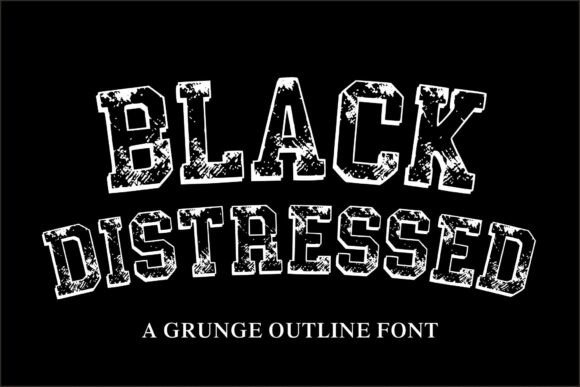
There’s a specific challenge in design that every creative professional faces: how to make something look genuinely old, worn, or textured without spending hours in Photoshop applying grunge brushes. This is where Black Distressed enters the conversation. It isn't just a typeface; it is a complete design solution that carries its own history in its very letterforms. As a bold grunge outline font, it features a rugged, distressed texture that instantly imbues your work with an authentic vintage and worn effect. It solves the problem of flat, sterile typography by offering a strong collegiate-style foundation that has been weathered by time.
The visual character of this font relies on its rough edges. When you look at the strong, blocky shapes of the letters, you see the influence of classic collegiate athletics and vintage signage. However, the "distressed" element is what sets it apart. The ink isn't solid; it is eroded, spotted, and imperfect. This creates a powerful visual impact because it mimics the look of a screen print that has been washed a hundred times or a rubber stamp pressed with uneven ink. For designers working on retro posters, apparel designs, or logos, this texture provides immediate depth. It suggests durability and a story behind the brand.
Where Black Distressed Fits Best
Choosing the right display font is about matching the tool to the job. Black Distressed is a specialist. It works perfectly for projects that need to communicate strength, rebellion, or nostalgia. If you are designing t-shirt designs for a streetwear brand, this font provides the necessary urban grit. It looks fantastic on merchandise because the distressed texture holds up well in screen printing, hiding minor imperfections that might look like errors on a cleaner font.
Consider the world of packaging design and vintage labels. A craft brewery or a hot sauce company often needs a label that feels established and artisanal. Using a modern, clean sans serif might make the product look like a tech startup. In contrast, Black Distressed offers an immediate connection to heritage. It signals that the product has character. This makes it an excellent choice for brand identity in industries like outdoor gear, motorcycle shops, or rustic home goods.
However, it is crucial to understand the hierarchy of your layout. This is a headline typography champion. It demands attention. You would not use Black Distressed for body copy or long paragraphs; the rough texture would become an eyesore and hinder readability over large blocks of text. Instead, pair it. Use Black Distressed for your H1 or your main graphic element, and pair it with a clean sans serif font or a simple serif font for the supporting text. This contrast creates a balanced visual hierarchy, allowing the distressed headlines to pop while the body text remains legible and professional.
Strategic Applications for Modern Creators
In the digital space, visual hierarchy and brand perception are driven by how quickly you can capture attention. On social media graphics, particularly on platforms like Instagram or TikTok, users scroll rapidly. A bold, textured headline created with Black Distressed can stop the scroll. It adds a tactile quality to a flat screen, making the digital experience feel more tangible. This is particularly effective for content creators focusing on lifestyle, fitness, or music, where an edgy aesthetic is part of the brand identity.
For editorial design, such as magazine covers or web design hero sections, this typeface serves as a focal point. It adds an artistic flair that generic modern typography often lacks. When used in logo design, it creates a mark that is instantly recognizable. Because the texture is built into the premium font file, the logo remains consistent across all mediums—from a tiny favicon on a browser tab to a large banner at a trade show.
Practical Guidance for Implementation
When integrating Black Distressed into your toolkit, start by evaluating the project fit. Does the client or the project have a rebellious, vintage, or industrial spirit? If the answer is yes, this is a strong candidate. If you are working on a medical brochure or a luxury fashion brand that relies on minimalism and clean lines, this font will likely clash with the intended message.
Next, focus on font pairing. Because Black Distressed is heavy and textured, it pairs best with lighter, cleaner fonts. A geometric sans serif works well for a modern industrial look, while a vintage serif can lean into the retro vibe. Avoid pairing it with other handwritten fonts or script fonts, as the visual noise will compete for attention and make the layout messy.
Readability is another key factor. Always test your sizing. At small sizes, the distressed edges might merge together, turning your text into a gray blob. Ensure that you are using this font at a size where the texture is visible and the letterforms are distinct. This is especially important for commercial font usage in advertising, where the message must be read instantly.
Finally, review the licensing. Since Black Distressed is often utilized for merchandise and apparel designs, ensure you have the appropriate commercial license for print-on-demand or physical goods. Most high-quality font foundries provide clear licensing tiers for different usage types. Treating your design assets with professionalism ensures your brand stands on solid legal ground. By using Black Distressed thoughtfully, you can elevate a standard design into something that feels authentic, tactile, and undeniably cool.